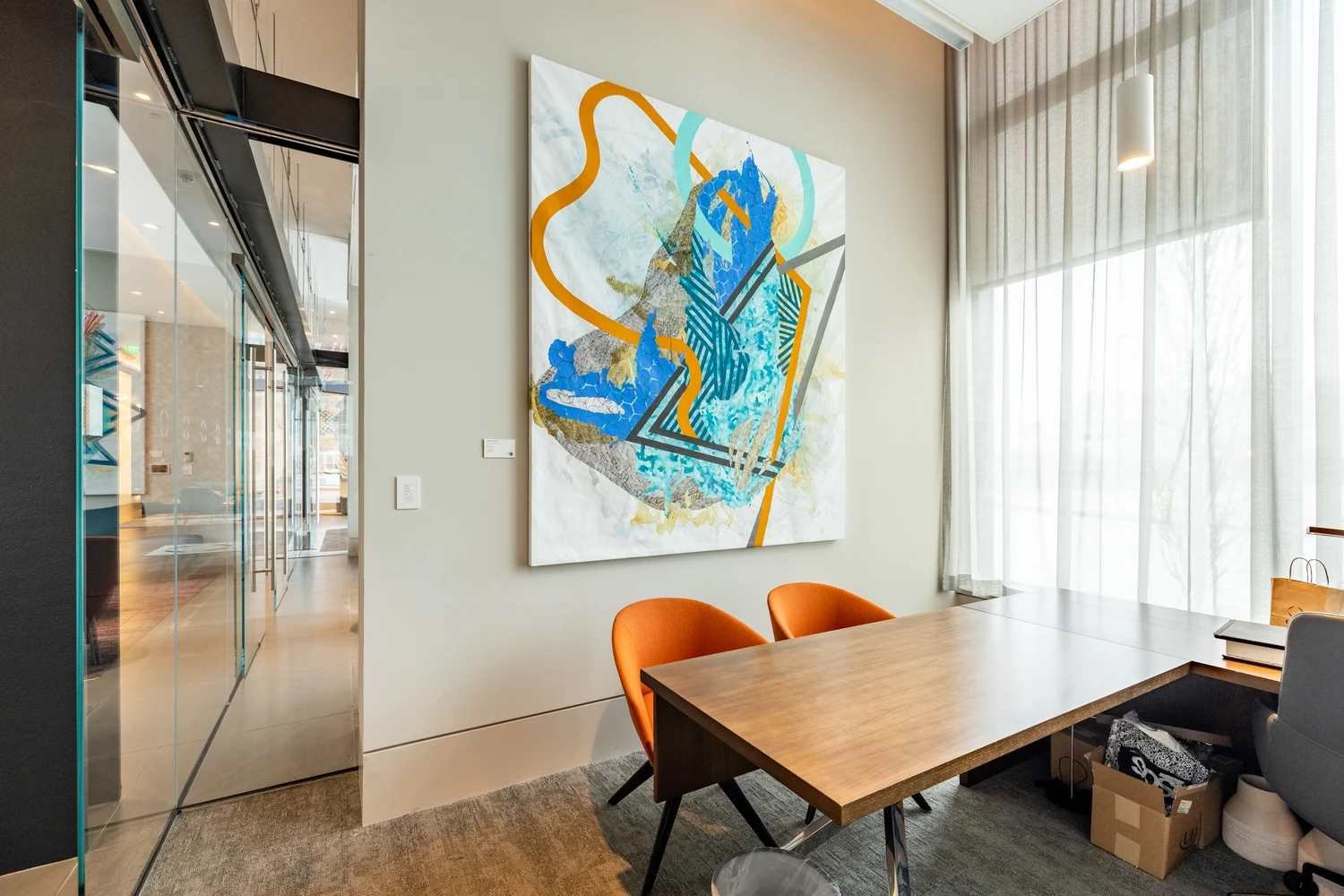
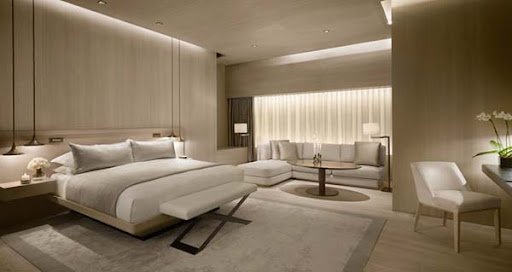
In today’s hospitality market, the demand for eco-friendly design goes hand in hand with the desire for stylish interiors. Travelers are no longer satisfied with hotels that only provide comfort; they also expect properties to reflect values of sustainability and responsibility. This is where custom hotel furniture plays a central role. It not only allows hoteliers to create unique, brand-focused spaces but also offers the opportunity to integrate sustainable practices into every corner of a property.
From eco-conscious materials to innovative design, the industry is embracing trends that combine beauty with responsibility. This blog explores how sustainability and style come together in custom hotel furniture, and why adopting these practices benefits both guests and hoteliers.
The Importance of Sustainable Practices in Hospitality
Hotels around the world are under increasing pressure to adopt eco-friendly measures. Guests are more conscious of their environmental footprint and actively choose accommodations that align with their values. For hoteliers, this shift creates an opportunity to enhance reputation and attract eco-conscious travelers.
Sustainability also extends beyond branding. Energy efficiency, reduced waste, and long-lasting materials translate into cost savings for hotel operators. By integrating sustainability into furniture design, hotels can invest in long-term durability while making a strong environmental statement.
Custom Hotel Furniture as a Sustainable Solution
Unlike mass-produced pieces, custom hotel furniture offers flexibility in materials, design, and function. By tailoring every piece to fit the specific needs of a property, hoteliers reduce waste and ensure each item serves a long-term purpose.
Customized furniture also allows for seamless alignment with a hotel’s eco-friendly design goals. For example, reclaimed wood, bamboo, or recycled fabrics can be chosen specifically to match sustainability commitments, ensuring every detail of the property contributes to the larger eco-friendly narrative.
Eco-Friendly Materials in Custom Hotel Furniture
One of the most significant ways to promote sustainability is through material selection.
- Reclaimed Wood: Offers durability and charm, each piece telling a story while reducing deforestation.
- Bamboo: Known for rapid growth and versatility, bamboo is a renewable material ideal for flooring, shelving, and furniture accents.
- Recycled Metals and Plastics: These materials give new life to what would otherwise contribute to waste, creating sleek, modern finishes.
- Natural Fabrics: Upholstery options such as organic cotton, hemp, and linen add comfort without relying on harmful chemical processes.
By incorporating these options, hotels demonstrate a commitment to sustainability while achieving stylish interiors.
Sustainable Sourcing and Ethical Supply Chains
Sustainability is not only about materials but also about how they are sourced. Partnering with suppliers who practice ethical and responsible sourcing ensures that furniture production does not harm communities or ecosystems.
Certifications such as FSC (Forest Stewardship Council) provide assurance that wood is harvested responsibly. Many hotels are also working with local artisans to reduce the environmental impact of shipping and to support community economies. This makes custom hotel furniture both a sustainable and socially responsible choice.
Green Manufacturing Processes
How furniture is made is as important as what it’s made from. Eco-friendly manufacturing processes prioritize reducing emissions, conserving water, and minimizing harmful chemicals.
Furniture produced with low-VOC finishes creates healthier indoor environments, while water-efficient production methods protect natural resources. When hotels partner with manufacturers committed to these standards, they align with broader sustainability goals without sacrificing quality or design.
Energy Efficiency and Furniture Production
Energy efficiency is another key consideration in sustainable furniture production. Many manufacturers now rely on renewable energy sources such as solar or wind power for their operations.
Energy-efficient equipment reduces the carbon footprint associated with producing custom pieces, making the furniture not only stylish but also environmentally responsible. Hoteliers choosing suppliers with these practices can proudly market their commitment to reducing energy use.
Designing for Longevity and Durability
A major contributor to waste in hospitality is the frequent replacement of worn-out furniture. Custom hotel furniture addresses this challenge by focusing on durability and timeless design.
Pieces created with strong materials and classic styles reduce the need for constant replacements. This longevity lowers costs in the long run and prevents unnecessary waste, aligning financial and environmental goals.
Multi-Functional and Space-Saving Designs
Sustainability often means doing more with less. Multifunctional furniture, such as convertible sofas or modular storage units, allows hotels to maximize guest comfort while using fewer resources.
By adopting space-saving designs, hotels reduce material consumption and create flexible layouts that adapt to changing needs. This makes custom hotel furniture an ideal solution for both boutique and large-scale properties.
Biophilic Design in Custom Hotel Furniture
Guests increasingly value connections with nature, and biophilic design is a growing trend in hospitality. Incorporating natural elements such as organic textures, earthy tones, or plant-integrated furniture pieces enhances guest well-being while supporting eco-friendly goals.
Custom furniture designed with biophilic principles not only creates calming environments but also strengthens the hotel’s sustainability story.
Low-Waste and Zero-Waste Initiatives
Many designers are adopting low-waste or zero-waste production strategies. This includes minimizing scraps during construction, repurposing offcuts, and designing furniture that can be disassembled and recycled at the end of its life.
By embracing these practices, hotels showcase leadership in sustainable design and reduce their environmental impact.
Health and Wellness Benefits of Eco-Friendly Furniture
Eco-friendly furniture is not just good for the planet; it’s good for guests. Low-VOC finishes improve indoor air quality, while natural fabrics and non-toxic materials reduce allergens.
Hotels that prioritize guest health through furniture choices offer an additional layer of comfort and care, enhancing the overall guest experience.
Technology and Innovation in Sustainable Furniture
Advances in technology are shaping the future of custom hotel furniture. 3D printing allows for precise use of materials with minimal waste. Recycled composites create innovative designs that are both stylish and sustainable.
Smart furniture with built-in energy-saving features, such as integrated lighting systems, further demonstrates how innovation supports eco-friendly goals.
Case Studies: Hotels Leading with Eco-Friendly Furniture
- A boutique property showcasing reclaimed wood furnishings in every room.
- A luxury chain investing in bamboo and natural fabrics for sustainable elegance.
- Smaller hotels integrating recycled metals into modern, stylish designs.
These examples prove that eco-friendly choices are adaptable across all types of properties, regardless of size or budget.
The Role of Hotel Furniture Suppliers in Sustainability
Suppliers are critical partners in achieving eco-friendly goals. The right hotel furniture supplier provides transparency in sourcing, ensures ethical practices, and collaborates closely with designers and hoteliers.
This partnership ensures that every piece of furniture reflects the values of both sustainability and style.
Guest Experience and Eco-Friendly Furniture
Eco-friendly furniture is not just a design statement; it enhances the guest experience. Guests enjoy healthier environments, unique furniture with character, and the satisfaction of staying in a property that aligns with their values.
For hotels, this creates a strong marketing advantage, as sustainable choices resonate deeply with today’s travelers.
Challenges in Adopting Sustainable Furniture
While the benefits are clear, some challenges remain. Eco-friendly materials may come with higher upfront costs, and availability can sometimes be limited.
However, these obstacles are outweighed by long-term savings, brand reputation, and guest satisfaction. With growing innovation, these challenges are becoming easier to overcome.
Future Trends in Eco-Friendly Hotel Furniture
The future of custom hotel furniture lies in the circular economy, where every material is reused or recycled. Demand for personalization will continue to grow, with hoteliers seeking sustainable solutions tailored to their brand identity.
Innovations in material science will introduce new eco-friendly options, further blending style with responsibility.
Practical Tips for Hoteliers Adopting Eco-Friendly Furniture
- Ask suppliers about sourcing certifications and green practices.
- Plan budgets with long-term durability and savings in mind.
- Work with designers specializing in eco-friendly hospitality projects.
- Choose materials that balance aesthetics, durability, and environmental responsibility.
Conclusion
Sustainability and style no longer exist in separate categories; together, they define the future of hospitality design. Custom hotel furniture is at the heart of this transformation, offering unique opportunities to combine eco-friendly practices with memorable guest experiences.
By investing in sustainable materials, ethical sourcing, and innovative design, hotels not only reduce their environmental impact but also create stylish, comfortable spaces that guests truly value. The long-term benefits of this approach extend beyond the hotel walls, shaping a greener, more responsible hospitality industry.